
Football History: The Complete Story of the World’s Most Popular Sport
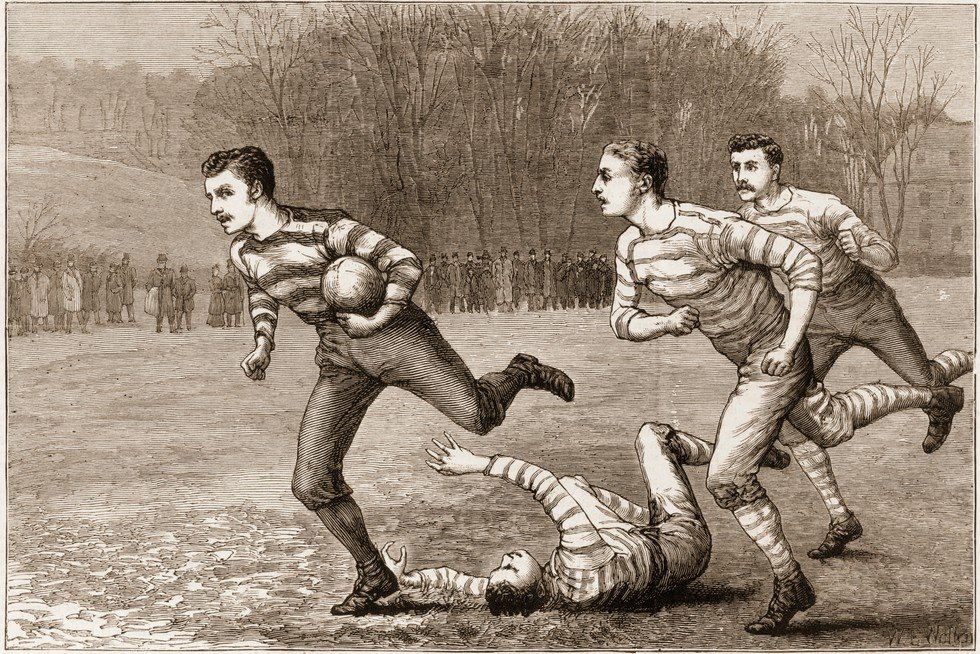
Football (also called soccer) is the world’s biggest sport, played and watched in nearly every country. From ancient ball games to packed modern stadiums and global tournaments like the FIFA World Cup, the history of football is a story of culture, competition, and constant evolution.
In this guide, you’ll learn when football was invented, who created modern football, how the rules developed, and how the sport became a global phenomenon.
Quick Facts About Football History
- Oldest origins: Ancient ball games dating back thousands of years
- Modern football birthplace: England (1800s)
- Key year: 1863 (The FA formed and rules standardized)
- Biggest tournament: FIFA World Cup (first held in 1930)
The Origins of Football: Ancient Games Before Soccer
Long before modern football existed, many civilizations played ball games that involved kicking, carrying, or passing a ball into a goal.
Ancient China: Cuju (One of the Earliest Forms of Football)
One of the earliest recorded football-like games is Cuju, played in China more than 2,000 years ago. Players kicked a leather ball and aimed for a target, and it was used for both entertainment and military training.
Ancient Greece and Rome: Ball Games with Rules
Ancient Greeks played Episkyros, while Romans played Harpastum, a rougher game involving teamwork and ball control. These were not “soccer” as we know it, but they show that organized ball games were popular across history.
Medieval Europe: Wild “Mob Football”
In medieval England and parts of Europe, mob football was played between villages with few rules. The “pitch” could stretch across fields and streets, and matches were often chaotic — which is why authorities sometimes tried to ban them.
When Was Modern Football Invented?
The modern version of football began taking shape in 19th-century England, where schools and local clubs played different versions of the game. Some allowed handling the ball, while others focused mostly on kicking.
The turning point came in 1863, when football leaders created a universal set of rules.
The Football Association (FA) and the Birth of the Rules (1863)
In London, 1863, the Football Association (The FA) was founded. This is widely considered the official birth of modern association football.
The new rules:
- separated football from rugby
- limited handling the ball
- standardized basics like fouls and restarts
- helped clubs play each other fairly
This is why people often say: England created modern football.
How Football Became a Global Sport
Football spread rapidly due to:
- British workers and sailors traveling internationally
- the growth of clubs, factories, and urban communities
- the sport’s simplicity: all you need is a ball and space
By the late 1800s and early 1900s, football clubs were being formed across:
- Europe (Spain, Italy, Germany, Netherlands)
- South America (Argentina, Brazil, Uruguay)
- Africa and Asia (through schools, ports, and local leagues)
FIFA and International Football
When Was FIFA Founded?
FIFA (Fédération Internationale de Football Association) was founded in 1904 to organize international football competitions and support national associations.
It helped unify global rules, regulate tournaments, and build football into the massive international system we know today.
The First FIFA World Cup (1930)
The first-ever FIFA World Cup was held in 1930 in Uruguay. Uruguay won the tournament, marking the start of football’s most prestigious global competition.
Over time, the World Cup became the biggest sports event on Earth, producing legendary moments and players who shaped football history.
The Evolution of Football: Tactics, Fitness, and Technology
Football didn’t just grow — it transformed.
Tactics Changed the Game
Early football was more direct and attacking, but tactics evolved:
- formations became structured (like the 4-4-2 and later 4-3-3)
- pressing, possession football, and counterattacks grew popular
- coaching became more scientific
Player Fitness and Professionalism
Modern footballers train with:
- sports science
- nutrition plans
- recovery routines
- data analysis
This has made today’s game faster, more tactical, and more physically demanding than ever.
Technology in Football: VAR and Goal-Line Tech
Recent decades introduced major innovations:
- goal-line technology (to confirm if the ball crossed the line)
- VAR (Video Assistant Referee) (to review key decisions)
These changes have been controversial at times, but they’ve reshaped modern matches.
Legendary Eras in Football History
Football history is filled with iconic eras:
- the rise of South American brilliance (Brazil, Argentina, Uruguay)
- European dominance and club competitions like the Champions League
- global superstars who changed the sport’s popularity and style
Fans often debate the “best era,” but the truth is each generation added something new.
Why Football Is the World’s Most Popular Sport
Football’s global popularity comes from:
- low cost to play
- simple rules
- strong local identity (clubs and national teams)
- huge international tournaments
- emotional storytelling: comebacks, rivalries, underdogs, legends
Whether in a stadium or a street game, football connects people across languages and cultures.
Football History Timeline (Key Dates)
- Ancient era: early ball games (Cuju, Episkyros, Harpastum)
- Medieval period: mob football in Europe
- 1863: The FA forms and modern rules are standardized
- 1904: FIFA founded
- 1930: first FIFA World Cup
- 1992: Premier League begins (modern club football era accelerates)
- 2010s: VAR and major tech become widespread
Final Thoughts: Football’s Past, Present, and Future
The history of football is a journey from ancient games to a modern global industry. But at its heart, it remains simple: a ball, a goal, and the joy of competing together.
If you’re building a football blog, this topic is perfect for SEO because people constantly search for:
- history of football
- when was football invented
- who invented soccer
- football timeline
- origin of football rules